New to bible study? start here!

You want to study the Bible. You want to understand what you're reading, grow in your relationship with God, and learn how to apply His Word to your everyday life.

But where do you begin?

Maybe you've been reading your Bible for years but aren't quite sure how to move beyond simply reading the words on the page. Or maybe you're opening your Bible for the very first time.

Either way, you're in the right place!

At Saving Grace, our mission is simple: to help you learn how to study the Bible for yourself.

You don't need a theology degree, a shelf full of reference books, or a Bible filled with beautiful notes to get started. You just need a willingness to learn.

And we're here to help you take that first step.

1. Find Your Starting Point

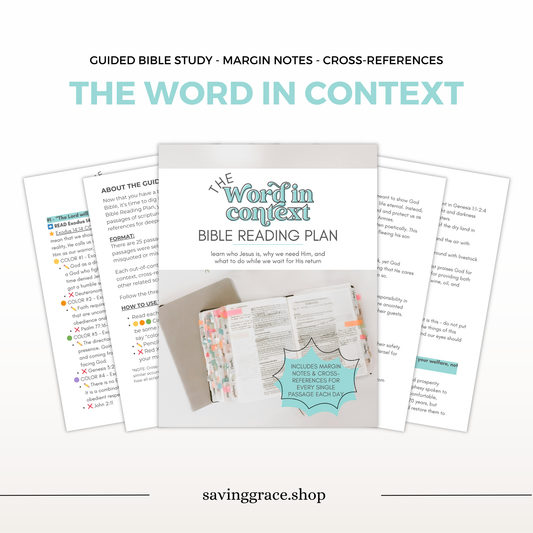
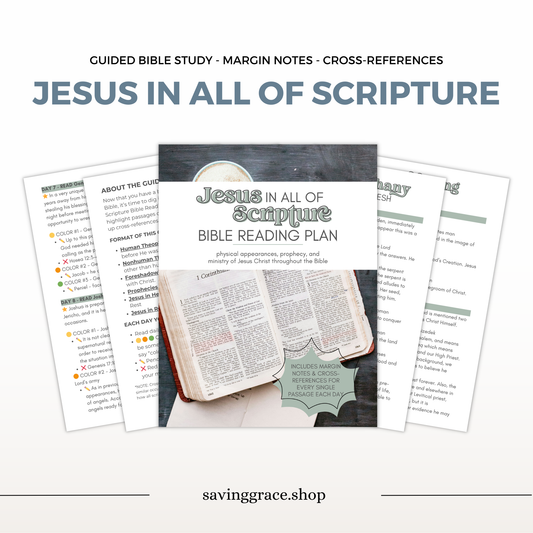
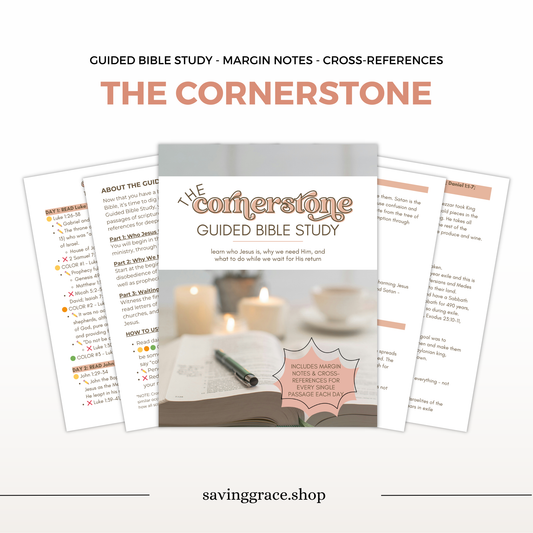
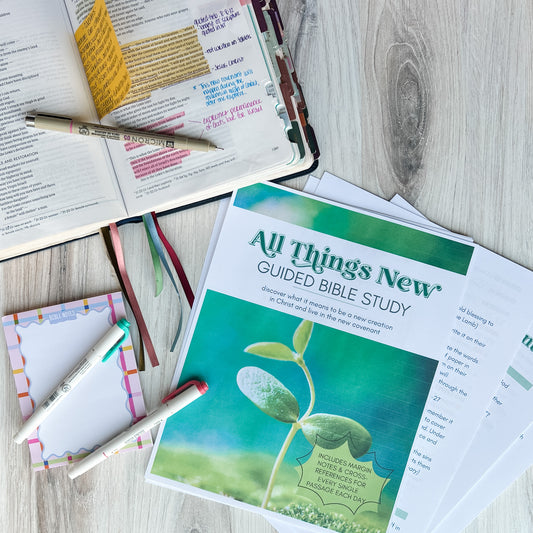
One of the best ways to begin studying Scripture is to work through a Guided Bible Study. But not all studies offer the same amount of guidance, and that's intentional!

Our Guided Bible Studies are organized into three levels, so you can choose a study that meets you where you are.


A little reminder: These levels describe how much guidance each study provides, not how much you know about the Bible! You don't have to complete them in order. Choose the experience that works best for you.

2. Learn HOW to Study the Bible

Here's something I want you to know: reading the Bible and studying the Bible aren't necessarily the same thing.

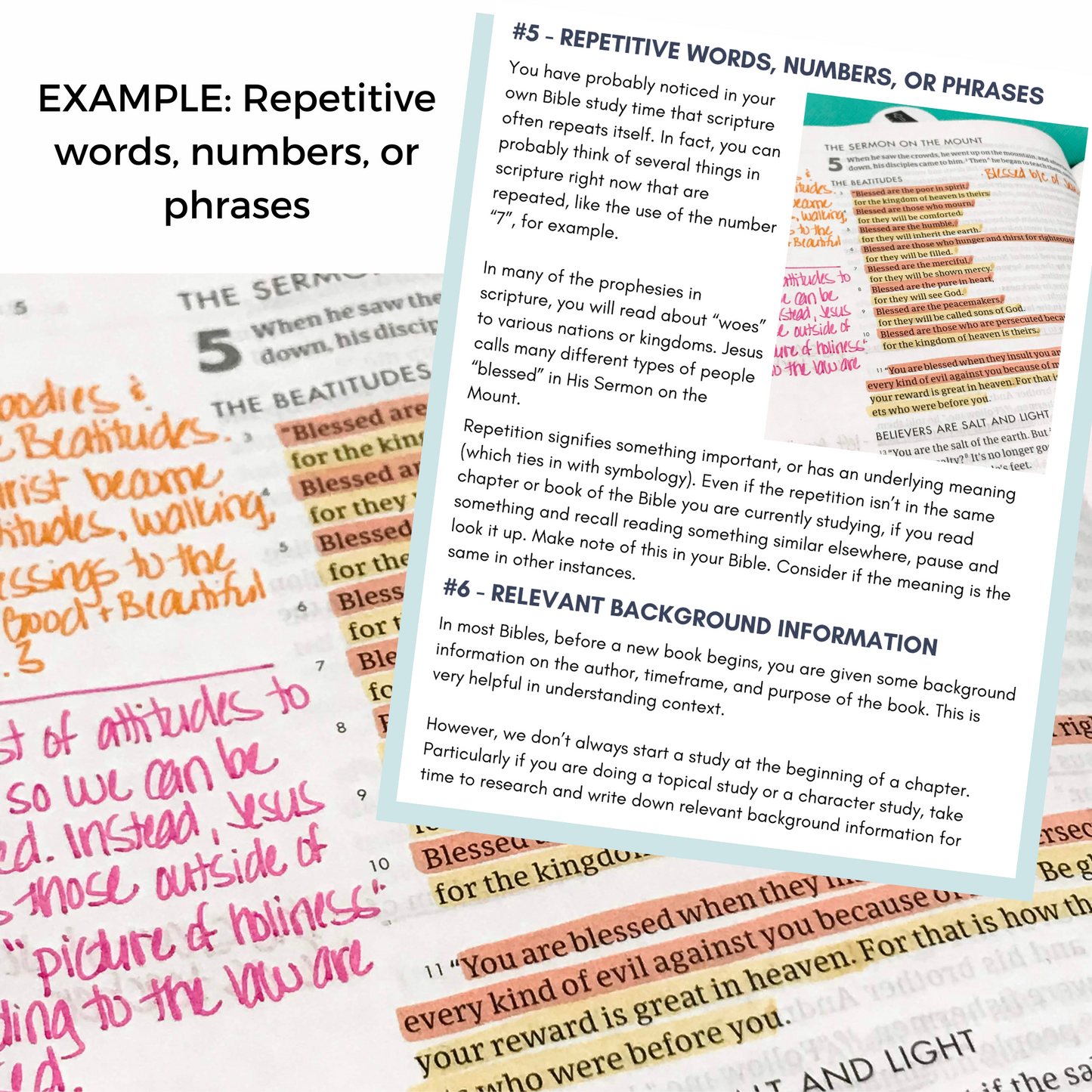
Reading helps us become familiar with Scripture. Studying invites us to slow down, ask questions, make observations, explore context, and discover what God's Word actually says.

And these are skills you can learn!

Whether you're working through one of our Guided Studies or exploring Scripture on your own, these resources will help you develop practical study skills you can use with any passage of the Bible.

3. Get to Know the Big Picture

Have you ever opened your Bible and wondered how everything fits together?

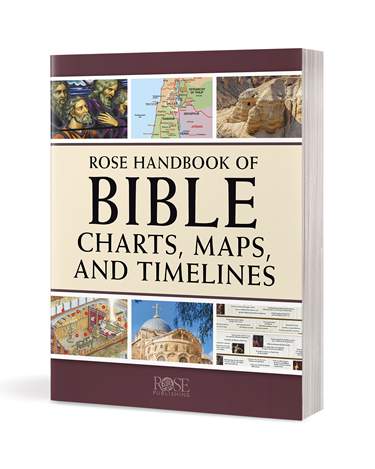
Who were the Israelites? Where were all these places? What was happening in the world when a particular book was written? And how does the Old Testament connect to the New Testament?

Understanding the historical, geographical, and cultural context of Scripture can completely change the way you approach Bible study.

You don't need to learn everything at once. Start with a few reliable reference resources and build your knowledge as you go.

4. Discover Tools That Make Bible Study Easier

You don't need a cart full of supplies to study the Bible. But having a few helpful tools can make it easier to stay organized, take notes, and remember what you're learning.

Here are a few places to start.

  • BIBLE INSERTS

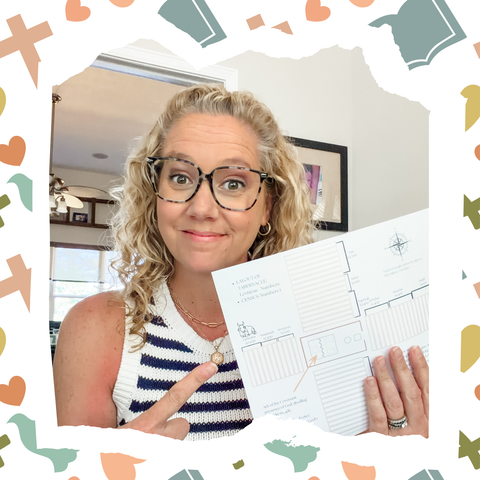
    Visual study aids inserted right into your Bible!

  • Fold-out Pamphlets

    Tons of helpful info tucked in an easy-to-use pamphlet!

  • Notepads

    From Prayer to Character Studies, notepads for everything!

5. Start with Our FREE Bible Study Hub!

Free Resources to Help You Get Started

Did you know we have an entire library of free Bible study resources?

The Saving Grace Bible Study Hub is filled with practical tools, downloadable printables, and video teaching designed to help you grow in your understanding of God's Word.

It's free to join, and once you're an email subscriber, you can return whenever you need a little extra guidance or inspiration.

One Last Thing...

You don't need to buy every Bible study tool or master every study method before you begin.

Start with one resource. Open your Bible. Ask questions. Take notes. Be curious. And give yourself permission to learn as you go.

Bible study is a lifelong journey, and we're so glad to be part of yours.

Let's get started!

Still need help? Get in touch!